
Aquatic Plants and Their Importance in a Healthy Aquarium
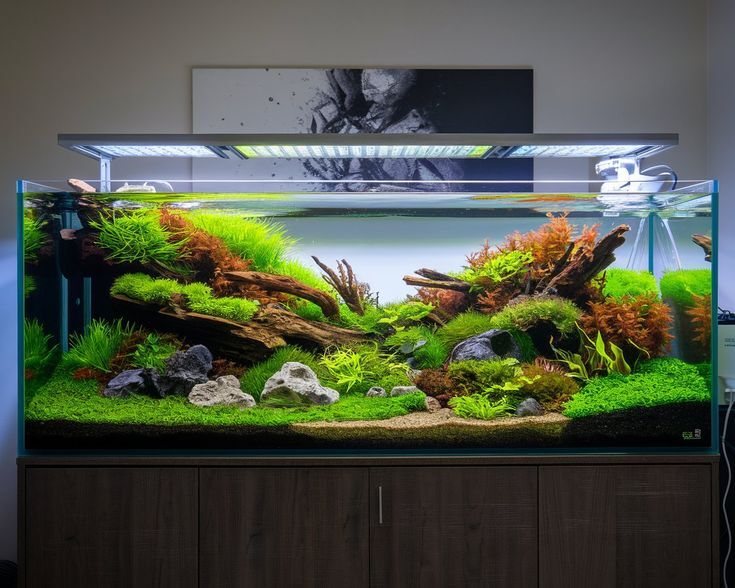
Aquatic plants are an essential part of any well-balanced aquarium, offering both visual appeal and functional benefits. At Green View Fish Farm, we believe that incorporating live plants into your aquarium is one of the best ways to create a natural and thriving aquatic environment. Whether you are a beginner or an experienced hobbyist, aquatic plants can transform your tank into a beautiful underwater ecosystem while also improving the health of your fish. Their presence not only enhances the overall look of the aquarium but also contributes to a more stable and sustainable habitat.
Aquatic plants play a vital role in maintaining the biological balance of an aquarium. They work as natural filters by absorbing harmful substances such as ammonia, nitrites, and nitrates that are produced by fish waste and uneaten food. This process helps keep the water clean and reduces the need for frequent maintenance. In addition, plants release oxygen into the water during photosynthesis, ensuring that fish have a continuous supply of oxygen to thrive. With the right combination of plants, lighting, and care, your aquarium can become a self-supporting ecosystem that requires less effort to maintain over time.
Enhancing Aquarium Beauty with Aquatic Plants
One of the most noticeable advantages of aquatic plants is the beauty they bring to an aquarium. A tank filled with lush greenery creates a calm and natural atmosphere that is pleasing to the eye. Different types of plants can be arranged to create depth and structure, making the aquarium look more dynamic and realistic. From foreground carpeting plants to tall background species, each plant plays a role in designing a visually attractive aquaspace.
Aquatic plants also complement the colors of fish, making them stand out more vividly. Brightly colored fish appear even more striking when surrounded by rich green plants, creating a stunning contrast that enhances the overall display. In addition, plants hep soften the appearance of artificial decorations and provide a more natural alternative that closely resembles the fish’s natural habitat. A well-designed planted aquarium not only looks impressive but also provides a relaxing ang enjoyable viewing experience.
Creating a Balanced and Healthy Ecosystem with Aquatic Plants
Beyond their visual appeal, aquatic plants are crucial for maintaining a healthy and balanced aquarium environment. They help stabilize water conditions by regulating nutrient levels and preventing sudden changes that can stress fish. By absorbing excess nutrients, plants reduce the chances of algae growth, keeping the tank cleaner and clearer.
Aquatic plants also provide shelter and hiding spaces for fish, which is especially important for shy or smaller species. These hiding spots reduce stress and promote natural behavior, including breeding and social interaction. In a planted aquarium, fish tent to feel more secure and exhibit more vibrant colors and active behavior.
Maintaining aquatic plants involves simple but consistent care practices such as proper lighting, occasional trimming, and nutrient supplementation. When these needs are met, plants grow steadily and contribute to the long-term stability of the aquarium. At Green View Fish Farm, we encourage every aquarist to explore the benefits of aquatic plants and experience the difference they can make in creating a thriving aquatic environment.
Enhancing Your Aquarium with the Right Plants, Lighting, and Aquascaping Techniques
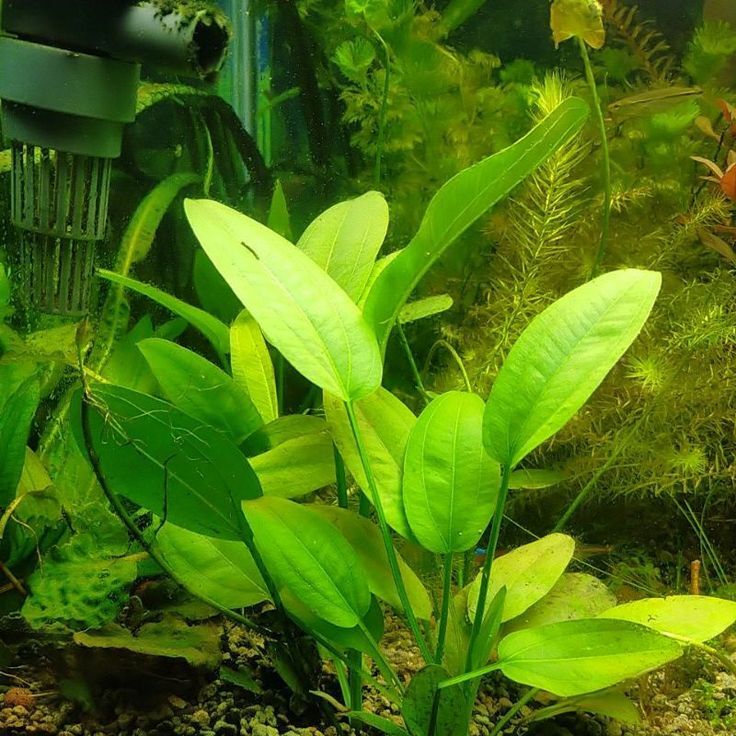
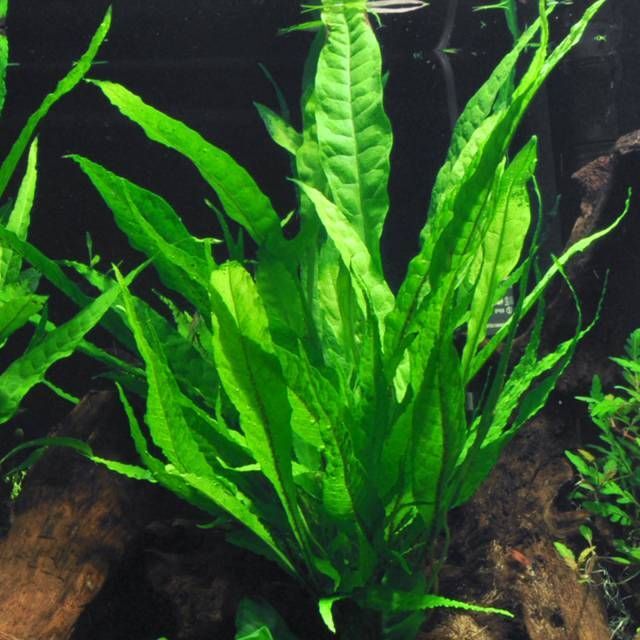
Another important aspect of keeping aquatic plants is choosing the right species based on your aquarium setup and experience level. For beginners, hardy and low-maintenance plants such as Anubias, Java Fern, and Amazon Sword are great options. These plants can thrive in a wide range of water conditions and do not require intense lighting or complex nutrient systems. In contrast, experienced aquarists may want to try more demanding species, such as Dwarf Baby Tears or Rotala, which require stronger lighting, CO₂ supplementation, and careful nutrient balance. Selecting suitable plants promotes better growth and lowers the chances of plant decay, which can harm water quality.
Lighting is crucial for a successful planted aquarium. Aquatic plants need light for photosynthesis, so providing the right intensity and duration is essential for their health. Most aquariums do well with 6 to 8 hours of consistent lighting each day. Insufficient light can slow plant growth, while excessive light may cause unwanted algae growth. Modern LED aquarium lights are recommended because they are energy-efficient and offer the right spectrum for plant growth. Placing the light properly and keeping a regular lighting schedule can greatly improve the growth and color of your plants.
Nutrient management is another key factor to keep in mind. Aquatic plants need both macro and micronutrients to grow well. You can provide these nutrients through the substrate, liquid fertilizers, or fish waste in a balanced tank. A nutrient-rich substrate is especially helpful for root-feeding plants, as it allows them to develop strong root systems. Additionally, using liquid fertilizers helps ensure that water column feeders get the nutrients they need. Keeping a balance is vital. Too many nutrients can lead to algae issues, while not enough can cause yellowness or stunted growth in plants.
Aquascaping is an art that lets aquarists show their creativity while keeping a functional ecosystem. By thoughtfully arranging plants, rocks, and driftwood, you can create beautiful underwater landscapes. Popular aquascaping styles like Nature Aquarium, Iwagumi, and Dutch Aquarium provide different design approaches. Each style focuses on balance, proportion, and harmony, turning a simple tank into a living piece of art. With practice and creativity, even a small aquarium can become a captivating focal point in your home or office.
Finally, patience is essential when maintaining a planted aquarium. Unlike artificial setups, live plants take time to grow and adjust to their environment. Regular observation helps catch any problems early, like nutrient deficiencies or algae growth. Over time, as plants take root, the aquarium becomes more stable and easier to care for. At Green View Fish Farm, we always stress that a planted aquarium is not just for decoration—it is about creating a living ecosystem that grows beautifully over time.

Green View , Thanampoyil Chevayur (po), Kozhikode, Keral-673017