How to Maintain Water Quality for Healthy Fish Plants
Maintaining high water quality is the foundation of a successful and thriving aquarium. Whether you keep guppies, betta fish, or a variety of aquatic plants, the condition of the water directly affects their health, growth, and overall well-being. Unlike natural water bodies, an aquarium is a closed ecosystem where waste can accumulate quickly if not properly managed. Poor water quality can lead to stress, disease, algae outbreaks, and even fish loss, making it one of the most important aspects of aquarium care. On the other hand, clean and stable water promotes active fish, vibrant colors, and lush plant growth, transforming your aquarium into a beautiful and balanced environment. For both beginners and experienced hobbyists, learning how to maintain proper water quality is essential for long-term success and enjoyment.
One of the key factors in maintaining water quality is keeping all water parameters stable and within safe limits. Important parameters include temperature, pH level, ammonia, nitrite, and nitrate levels. Fish such as guppies and bettas thrive in stable conditions, and sudden fluctuations can cause stress and weaken their immune systems. Ammonia and nitrite are especially dangerous, even in small amounts, as they are toxin to fish. These compounds are typically produced from fish waste, uneaten food, and decaying plant matter. Regular testing using aquarium test kits allows you to monitor these levels and take corrective action when necessary. In addition to monitoring, routine partial water changes of about 20–30% each week help remove toxins and refresh the water. Overfeeding and overcrowding should also be avoided, as they significantly contribute to poor water quality. By maintaining a balanced tank with appropriate stocking and feeding, you can reduce waste buildup and keep the water clean and safe.
The Role of Filtration and Beneficial Bacteria
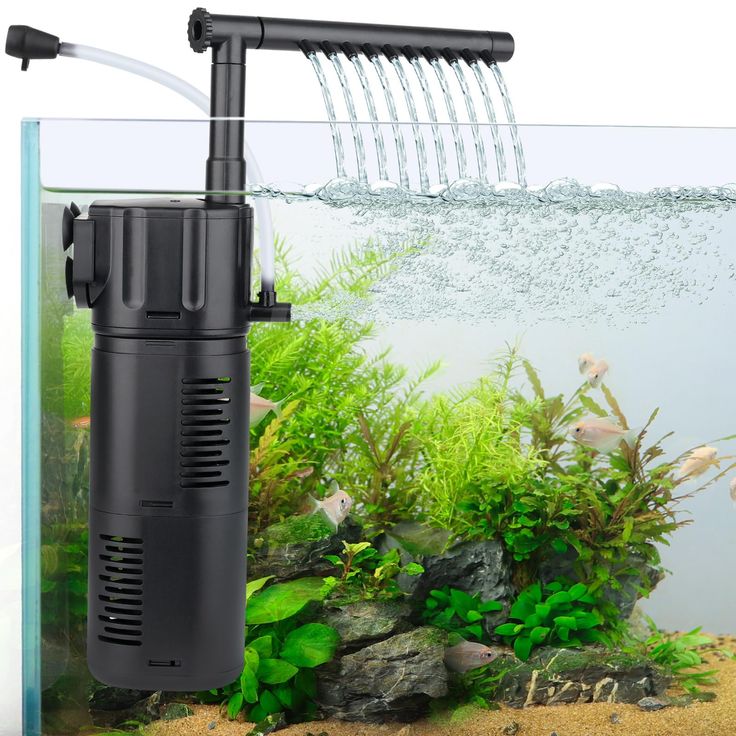
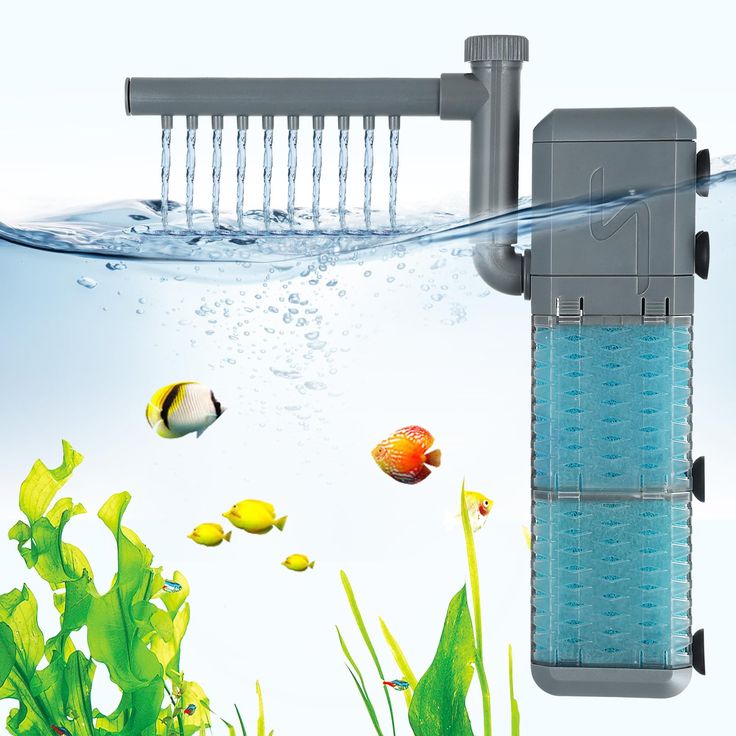
Filtration is one of the most important components in maintaining water quality in an aquarium. A good filter not only keeps the water clear but also supports the biological processes that keep harmful substances in check. There are three main types of filtration: mechanical, chemical, and biological. Mechanical filtration removes visible debris such as uneaten food, fish waste, and plant particles. Chemicals filtration helps remove impurities, odors, and discoloration from the water. However, the most essential type is biological filtration, which relies on beneficial bacteria to break down toxic compounds.
These beneficial bacteria play a vital role in what is known as the nitrogen cycle. They convert harmful ammonia into nitrite and then into nitrate, which is far less toxic and can be absorbed by plants or removed through water changes. Establishing this cycle is crucial, especially in new aquariums, and it may take a few weeks for the bacteria to fully develop. During this time, careful monitoring is necessary to prevent harmful spikes in ammonia or nitrite levels.
To maintain a healthy bacterial colony, it is important not to clean filter media too aggressively or with untreated tap water, as chlorine can kill beneficial bacteria. Instead, rinsing filter components gently in tank water during maintenance is recommended. Live plants further enhance this system by absorbing nitrates and other nutrients, helping to keep the water balanced. In addition, plants release oxygen during photosynthesis, which improves the overall health of the aquarium. A well-functioning filter combined with thriving plants creates a natural and efficient system that supports long-term water quality.
Best Practices for Long-Term Water Stability
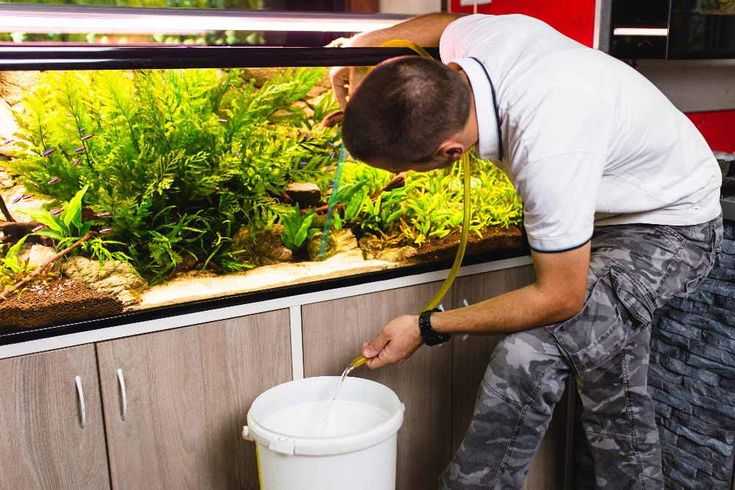
Maintaining water quality requires consistent care and attention over time. Developing a regular maintenance routine is one of the best ways to ensure long-term stability. This includes weekly water changes, cleaning the substrate to remove accumulated waste, and trimming dead or decaying plant leaves. Removing organic debris prevents it from breaking down and releasing harmful substances into the water. Consistency is key, as irregular maintenance can lead to sudden changes in water conditions that may stress fish and plants.
Feeding practices also have a major impact on water quality. Overfeeding is one of the most common mistakes among aquarium hobbyists. Excess food that is not consumed quickly settles at the bottom and begins to decay, polluting the water. Feeding fish small amounts that they can consume within a few minutes helps minimize waste. Using high-quality fish food can also reduce excess waste production and improve the overall health of your fish.
Lighting is another factor that should be carefully managed. While adequate lighting is necessary for plant growth, too much light can lead to excessive algae growth, which can affect water quality and the overall appearance of the tank. Maintaining a lighting schedule of about 6–8 hours per day provides enough light for plants without encouraging algae. If algae begin to appear, reducing light exposure and ensuring proper nutrient balance can help control them.
Another important practice is conditioning water before adding it to the aquarium. Tap water often contains chlorine and other chemicals that are harmful to fish and beneficial bacteria. Using a water conditioner neutralizes these substances and makes the water safe for aquarium use. It is also important to match the temperature of the new water with the tank water during changes to avoid shocking the fish.
Finally, patience and observation play a significant role in maintaining water quality. Every aquarium is unique, and it may take time to understand how your tank responds to different conditions. Regularly observing fish behavior and plant health can provide early signs of any issues. Healthy fish are active, have bright colors, and feed well, while plants should appear green and vibrant. Any sudden changes in behavior or appearance may indicate a problem with water quality that needs immediate attention.
In conclusion, maintaining water quality is the cornerstone of a healthy and thriving aquarium. By keeping water parameters stable, using effective filtration, and following consistent maintenance practices, you can create a balanced environment that supports both fish and plants. Proper care not only ensures the health and longevity of your aquatic life but also enhances the beauty and enjoyment of your aquarium. With dedication, routine care, and attention to detail, your tank can develop into a stable and self-sustaining ecosystem that remains clean, vibrant, and full of life.

Green View , Thanampoyil Chevayur (po), Kozhikode, Keral-673017