
Setting Up a Low-Maintenance Aquarium for Beginners
Starting an aquarium can be an exciting and rewarding experience, but many beginners worry about the time and effort required to maintain it. The good news is that with the right approach, it is entirely possible to set up a beautiful aquarium that requires minimal maintenance while still providing a healthy environment for fish and plants. A low-maintenance aquarium is all about simplicity, balance, and choosing the right components from the beginning. By avoiding overly complex setups and focusing on stability, beginners can enjoy the beauty of an aquarium without feeling overwhelmed. Whether you are keeping guppies, betta fish, or a combination of peaceful species, a well-planned tank can save you time and effort while delivering long-term success.
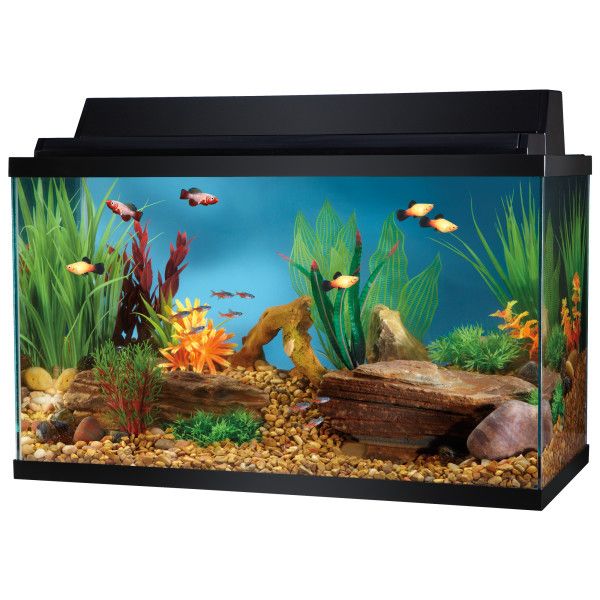
The key to a low-maintenance aquarium starts with proper planning and smart choices. One of the most important decisions is selecting the right tank size. Many beginners assume that smaller tanks are easier to manage, but in reality, slightly larger tanks are more stable and forgiving. A tank of at least 40–60 liters provides better water stability, making it easier to maintain consistent conditions. Choosing hardy fish species such as guppies or bettas also reduces the level of care required, as they can adapt to a range of conditions. Additionally, investing in a reliable filtration system is essential. A good filter helps remove waste, maintain water clarity, and support beneficial bacteria, all of which reduce the need for frequent cleaning. By setting up a stable foundation with the right equipment, you can significantly reduce ongoing maintenance efforts.
Choosing the Right Plants and Equipment
Selecting the right plants and equipment plays a major role in keeping your aquarium low-maintenance. Live plants are highly beneficial because they naturally improve water quality by absorbing nitrates and releasing oxygen. However, it is important to choose easy-care plants that do not require high lighting or additional CO₂ systems. Beginner-friendly options such as Java Fern, Anubias, and Vallisneria are excellent choices because they thrive in low to moderate light and require minimal care. These plants grow slowly and do not need frequent trimming, making them ideal for beginners.
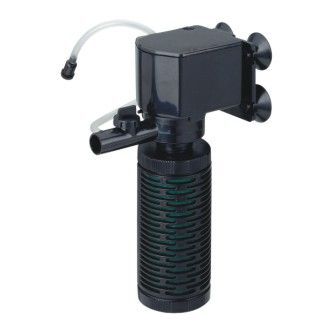
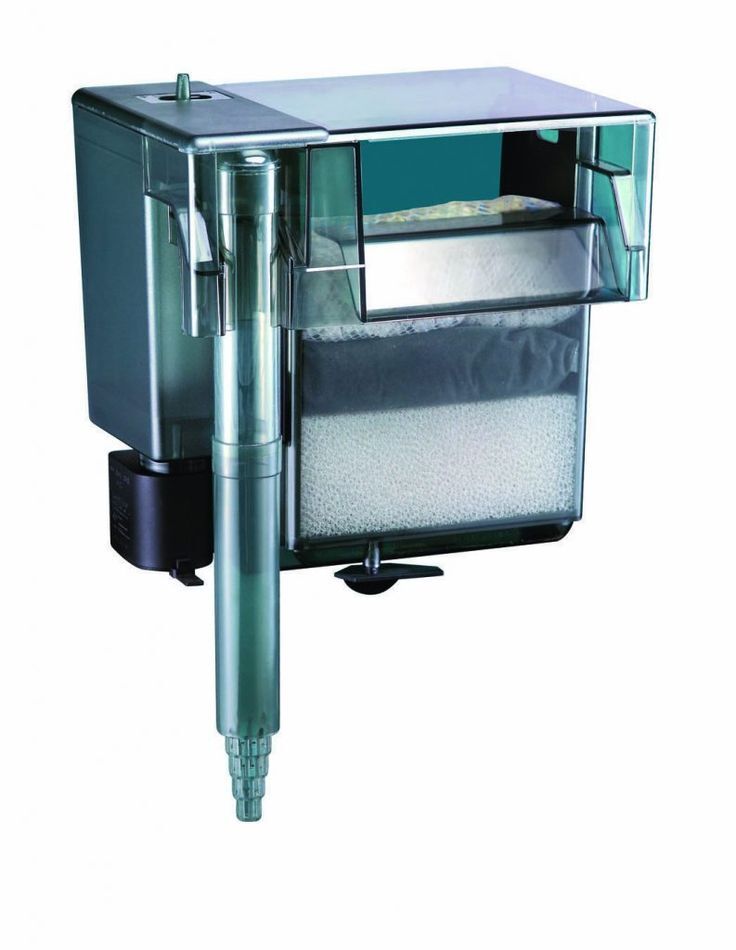
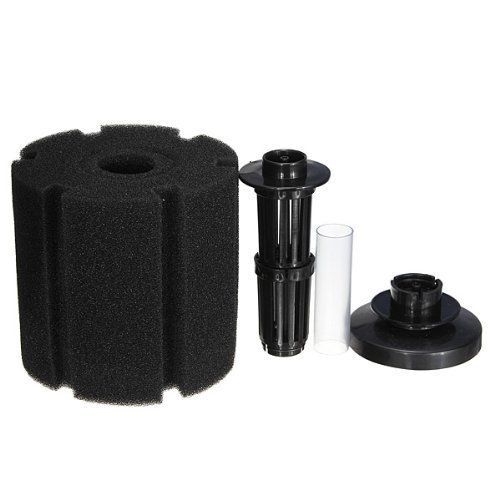
In terms of equipment, keeping things simple is the best approach. A standard filter, a basic LED light, and a heater (if you are keeping tropical fish) are usually sufficient. Avoid adding unnecessary gadgets that complicate the setup and increase maintenance requirements. Using a timer for your aquarium light can help maintain a consistent lighting schedule of around 6–8 hours per day, which supports plant growth while preventing algae issues.
Substrate selection is another important factor. A simple gravel or sand substrate works well for most low-maintenance tanks and is easy to clean during routine maintenance. Adding a few decorations such as rocks or driftwood can enhance the visual appeal while providing hiding spaces for fish. By choosing the right combination of plants and equipment, you create a balanced environment that largely takes care of itself.
Simple Maintenance Routine for Long-Term Success
Even a low-maintenance aquarium requires some level of care, but the goal is to keep it simple and manageable. Establishing a regular maintenance routine helps prevent problems before they arise. One of the most important tasks is performing weekly water changes of about 20–30%. This removes accumulated waste and keeps water parameters stable. Cleaning the filter occasionally, without disturbing beneficial bacteria, also ensures it continues to function effectively.
Feeding practices should also be carefully managed. Overfeeding is a common mistake that leads to excess waste and poor water quality. Feeding small amounts that fish can consume within a few minutes helps keep the tank clean and reduces maintenance work. Observing your fish during feeding can help you adjust portions and identify any health issues early.
Maintaining Stability in a Low-Maintenance Aquarium
Another important aspect of maintenance is monitoring the tank for any changes. Keeping an eye on water clarity, fish behavior, and plant health allows you to detect problems before they become serious. Healthy fish are active and display bright colors, while plants should appear green and vibrant. If you notice algae growth, adjusting lighting or reducing feeding can often resolve the issue naturally.
It is also beneficial to avoid making sudden changes to the tank. Stability is the key to a low-maintenance aquarium, and frequent adjustments can disrupt the balance of the ecosystem. Once your tank is properly set up and running smoothly, maintaining it becomes easier over time. The beneficial bacteria establish themselves, plants grow steadily, and the entire system becomes more self-sustaining.
In conclusion, setting up a low-maintenance aquarium for beginners is all about making smart choices and focusing on stability. By selecting the right tank size, hardy fish, easy-care plants, and simple equipment, you can create a beautiful aquarium that requires minimal effort to maintain. Following a basic maintenance routine and avoiding common mistakes ensures long-term success and enjoyment. With patience and consistency, even beginners can enjoy a thriving aquarium that brings life and tranquility to their space without demanding too much time or effort.

Green View , Thanampoyil Chevayur (po), Kozhikode, Keral-673017