
How Lighting Affects Aquatic Plants and Fish Health
Lighting is one of the most important yet often misunderstood aspects of maintaining a healthy aquarium. It plays a crucial role not only in enhancing the visual appeal of your tank but also in supporting the biological processes that keep both fish and aquatic plants thriving. Many beginners focus primarily on filtration and feeding while overlooking the importance of proper lighting, which can lead to issues such as poor plant growth, excessive algae, and stressed fish. In a natural environment, light regulates growth cycles, behavior, and overall ecosystem balance. Replicating these conditions in an aquarium is essential for creating a stable and healthy habitat. Understanding how lighting affects both plants and fish can help you make better decisions and maintain a well-balanced aquatic system.
The intensity, duration, and quality of light all influence how your aquarium functions. Aquatic plants rely on light for photosynthesis, a process that allows them to convert light energy into nutrients necessary for growth. Without adequate lighting, plants may become weak, lose their vibrant color, and eventually die. On the other hand, too much light can encourage excessive algae growth, which competes with plants for nutrients and disrupts the balance of the tank. For most home aquariums, a lighting duration of 6–8 hours per day is sufficient to support health plant growth without promoting algae. Using a timer is highly recommended, as it ensures consistency and prevents accidental overexposure. The type of lighting also matters, with LED lights being a popular choice due to their energy efficiency and ability to provide the right spectrum for plant growth. By maintaining a balanced lighting setup, you create an environment where plants can flourish and contribute to overall water quality.
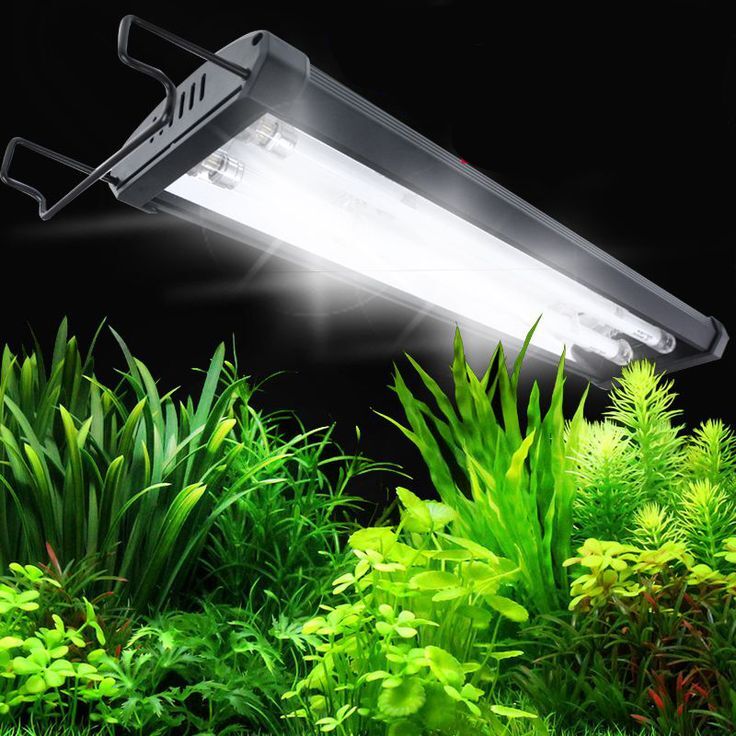
The Role of Lighting in Plant Growth and Development
Aquatic plants depend heavily on proper lighting to grow and remain healthy. Light acts as their primary energy source, and its intensity directly affects their growth rate and appearance. Low-light plants such as Java Fern and Anubias can thrive with minimal lighting, making them ideal for beginner setups. In contrast, more demanding plants require stronger lighting to achieve optimal growth and vibrant coloration. Understanding the specific needs of your plants helps you avoid issues such as stunted growth or excessive algae.
The spectrum of light is another important factor. Plants primarily use red and blue wavelengths for photosynthesis, which is why many aquarium lights are designed to provide a balanced spectrum that supports plant health. Insufficient or incorrect lighting can result in pale or yellowing leaves, while proper lighting enhances the natural green and red tones of aquatic plants. Additionally, consistent lighting helps regulate the daily cycle of plants, promoting steady growth and oxygen production.
Lighting also influences nutrient uptake. When plants receive adequate light, they can effectively absorb nutrients from the water, reducing the chances of excess nutrients that lead to algae growth. However, if lighting is too intense without proper nutrient balance, it can create an environment where algae thrive instead of plants. Achieving the right balance between light, nutrients, and plant density is essential for maintaining a healthy aquarium. By understanding how lighting affects plant growth, you can create a lush and vibrant underwater landscape.
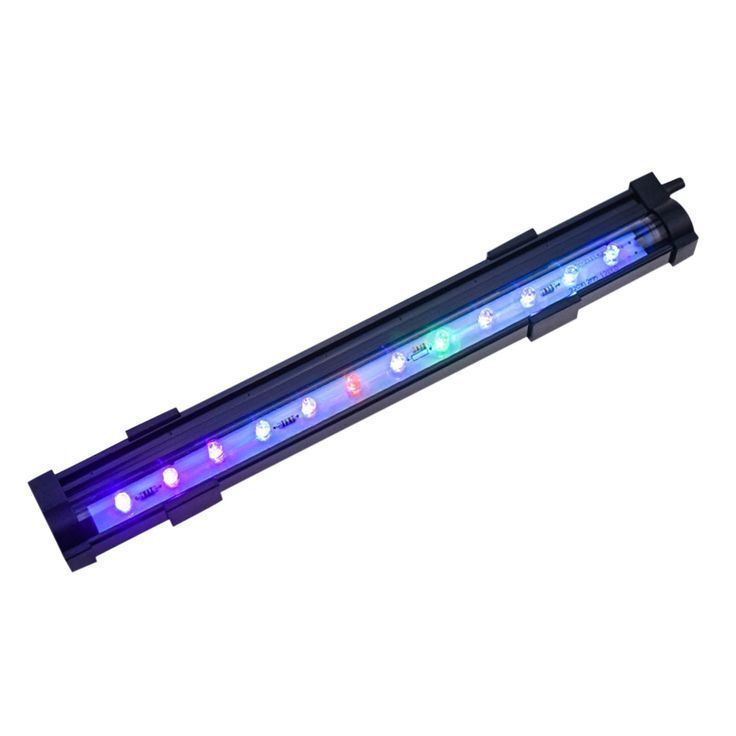
Impact of Lighting on Fish Behavior and Health
While lighting is essential for plants, it also has a significant impact on fish health and behavior. Fish rely on light to regulate their natural biological rhythms, including feeding, resting, and breeding patterns. Consistent lighting helps establish a stable day-night cycle, which reduces stress and promotes natural behavior. Sudden changes in lighting, such as turning lights on or off abruptly, can startle fish and cause unnecessary stress. Using a gradual lighting system or turning on room lights before aquarium lights can help minimize this effect.
Different fish species have varying lighting preferences. For example, betta fish generally prefer softer, dim lighting conditions, while guppies can tolerate brighter environments. Providing shaded areas using plants or decorations allows fish to retreat when they need less light. Floating plants are particularly useful for creating these shaded zones, helping fish feel secure and comfortable in their environment.
Excessive lighting can also contribute to stress and health issues in fish. Bright lights combined with a lack of hiding spaces can make fish feel exposed, leading to anxiety and reduced activity. On the other hand, insufficient lighting may disrupt their natural behavior and make it harder for them to find food. Maintaining a balanced lighting setup ensures that fish remain active, healthy, and stress-free.
In addition to behavior, lighting indirectly affects fish health through its impact on water quality. Proper lighting supports plant growth, which in turn helps maintain clean water by absorbing harmful substances. This creates a healthier environment for fish, reducing the risk of disease and improving overall well-being. A well-lit aquarium with thriving plants and comfortable fish creates a harmonious ecosystem that is both visually appealing and easy to maintain.
In conclusion, lighting plays a vital role in the health and balance of an aquarium. It directly influences plant growth, fish behavior, and overall ecosystem stability. By choosing the right lighting intensity, duration, and spectrum, and by maintaining consistency, aquarium hobbyists can create an environment where both plants and fish thrive. Understanding and managing lighting effectively not only enhances the beauty of your aquarium but also ensures a healthy and sustainable aquatic habitat.


Green View , Thanampoyil Chevayur (po), Kozhikode, Keral-673017
nice