Best Feeding Practices for Guppy and Betta Fish Growth
Feeding is one of the most important aspects of keeping guppy and betta fish healthy, vibrant, and active. While these fish are relatively easy to care for, improper feeding habits can lead to a variety of problems, including slow growth, dull coloration, weakened immunity, and poor breeding performance. Many aquarium hobbyists underestimate the importance of a balanced diet and consistent feeding routine, often relying on a single type of food or overfeeding their fish. In reality, providing the right nutrition in the correct quantity and at the right time is essential for ensuring optimal growth and long-term health. Whether you are raising guppies for breeding or keeping bettas as ornamental pets, understanding proper feeding practices will help you create a thriving aquarium environment where you fish can flourish.
One of the most important principles of feeding guppy and betta fish is maintaining a balanced and varied diet. Both species are omnivorous, meaning they require a mix of plant-based and protein-rich foods to meet their nutritional needs. High-quality flake food or pallets should serve as the staple diet, as they are specially formulated to provide essential nutrients such as proteins, vitamins, and minerals. However, relying solely on dry food can limit their growth potential. Supplementing their diet with live or frozen foods like brine shrimp, daphnia, and bloodworms can significantly improve their health, enhance coloration, and stimulate natural feeding behavior. Guppies, in particular, benefit from small portions of plant-based foods such as spirulina, while bettas require more protein to support their muscle development and energy levels.
Feeding a varied diet not only ensures proper nutrition but also keeps fish active and engaged.
Feeding Frequency and Protein
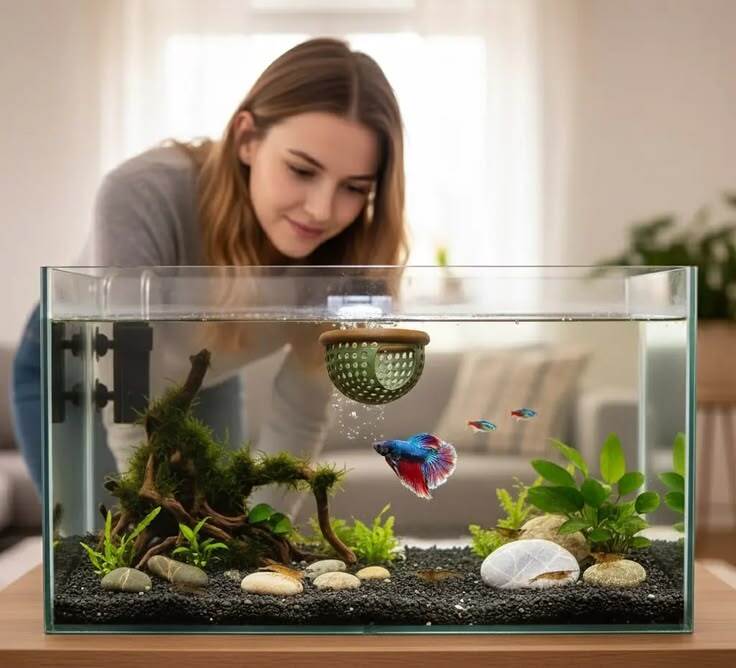
Another critical factor in fish feeding is maintaining the right feeding frequency and portion size. Overfeeding is one of the most common mistakes made by aquarium hobbyists, and it can have serious consequences for both fish health and water quality. Uneaten food quickly decomposes in the tank, leading to the buildup of harmful toxins such as ammonia, which can stress fish and cause illness. To avoid this, it is important to feed only what your fish can consume within two to three minutes. For guppies, feeding small amounts two to three times a day is generally ideal, as they are active fish with fast metabolisms. Betta fish, on the other hand, have slower metabolisms and should typically be fed once or twice a day in small portions. Observing your fish during feeding time can help you determine whether you are providing the right amount of food. It food is left uneaten or fish appear bloated, it is a sign that you may be overfeeding.
In addition to portion control, incorporating a fasting day once a week can be beneficial, especially for bettas. This allows their digestive system to rest and helps prevent
issues such as constipation and bloating. Maintaining a consistent feeding schedule also helps regulate fish metabolism and reduces stress, contributing to healthier growth over time. It is also helpful to remove any uneaten food after feeding to keep the tank clean and maintain good water quality.
Choosing the Right Foods for Growth and Color Enhancement
Selecting the right type of food plays a major role in promoting growth and enhancing the natural colors of guppy and betta fish. Protein is a key component for growth, particularly for young fish and breeding adults. Foods such as bloodworms, mosquito larvae, and brine shrimp are excellent sources of protein and should be included in the diet regularly. For guppy fry, finely crushed flakes or specialized fry food can support rapid growth during their early stages of development.
Color-enhancing foods are also popular among hobbyists who want their fish to display vibrant and striking appearances. Many high-quality commercial foods contain natural color enhancers such as carotenoids and spirulina, which help intensify red, orange, and blue hues in fish. Guppies, known for their wide range of colors, benefit greatly from such foods, while bettas can develop deeper and more vivid tones when fed a protein-rich and nutrient-dense diet.
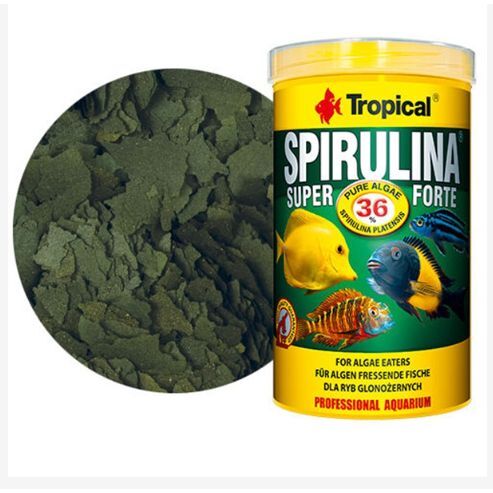
It is also important to consider the form of food. Floating pellets are ideal for bettas, as they naturally feed at the surface, while guppies can feed at various levels of the tank. Ensuring that food is easily accessible to your fish helps prevent waste and ensures that all fish receive adequate nutrition. Additionally, rotating different types of food throughout the week can provide a wider range of nutrients and prevent dietary deficiencies.
Another useful practice is observing your fish closely after feeding. Healthy fish will actively swim toward food and eat eagerly, while a lack of appetite may indicate stress, poor water quality, or illness. Adjusting feeding habits based on observation helps ensure your fish remain in optimal condition. It is also important to store fish food properly in a cool, dry place and avoid using expired products, as they may lose their nutritional value.
In conclusion, proper feeding practices are essential for the growth, health, and beauty of guppy and betta fish. By providing a balanced diet, controlling portions, and choosing high-quality foods, aquarium hobbyists can ensure their fish thrive in a healthy environment. Consistency, observation, and a willingness to adjust feeding habits based on the needs of your fish are key to success. With the right approach, feeding becomes more than just a routine task—it becomes an important part of creating a vibrant and flourishing aquarium that showcases the true potential of your fish.
Green View , Thanampoyil Chevayur (po), Kozhikode, Keral-673017