
Creating a Thriving Aquarium Ecosystem: The Perfect Balance of Guppies, Betta Fish, and Aquatic Plants
Building a beautiful and healthy aquarium is more than just adding fish and water—it’s about creating a balanced ecosystem where fish and plants support each other. Guppy fish, betta fish, and aquatic plants are among the most popular choices for hobbyists due to their vibrant appearance, adaptability, and relatively easy care. When combined thoughtfully, they can transform a simple tank into a likely underwater world. Whether you are a beginner or an experienced aquarist, understanding how these elements interact will help you, maintain a thriving aquarium that is both visually stunning and biologically stable.
Understanding Guppies and Betta Fish
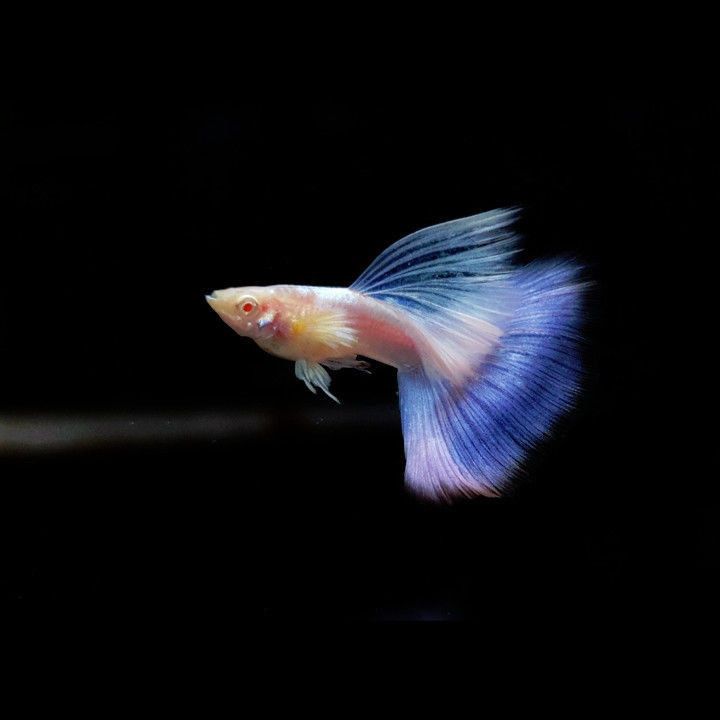
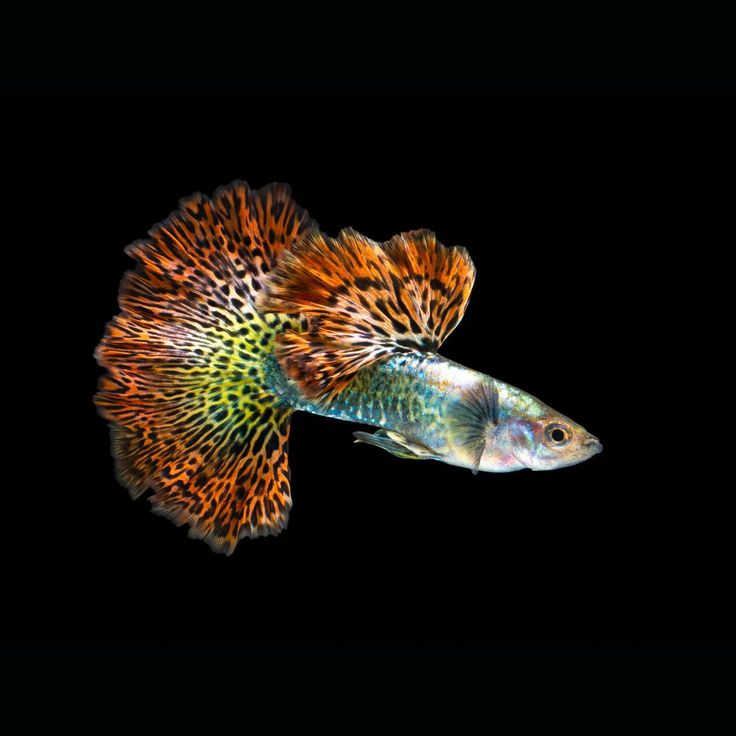
Guppies are small, colorful fish known for their active nature and ease of breeding. They are ideal for community tanks and adapt well to different water conditions. Their bright patterns and constant movement bring life and energy to any aquarium. Guppies are also hardy, making them perfect for beginners who are just starting their aquarium journey.
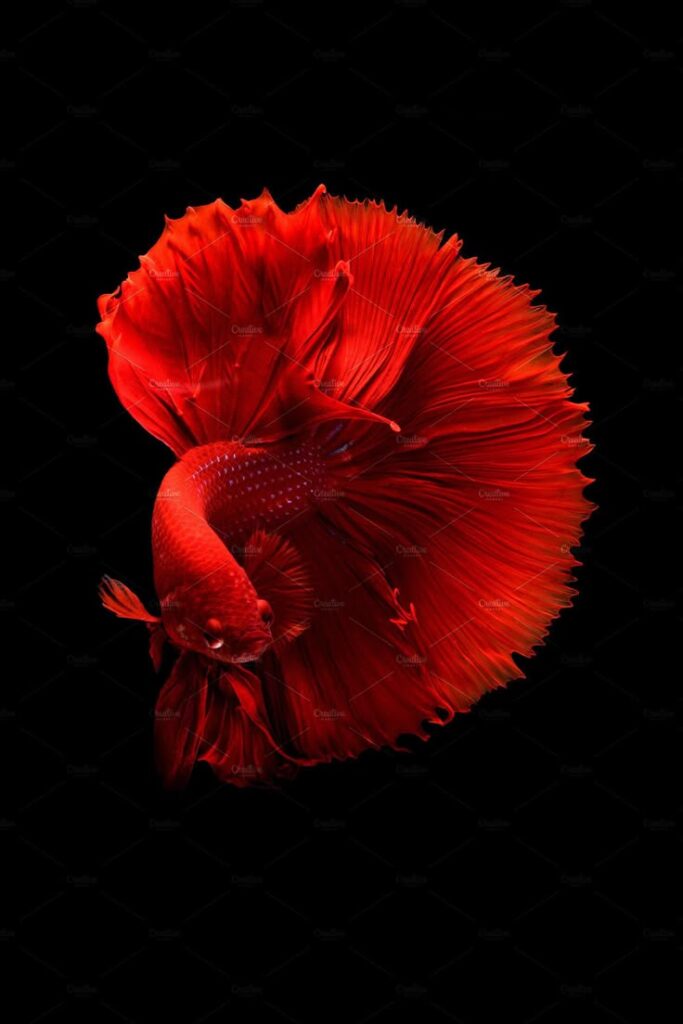
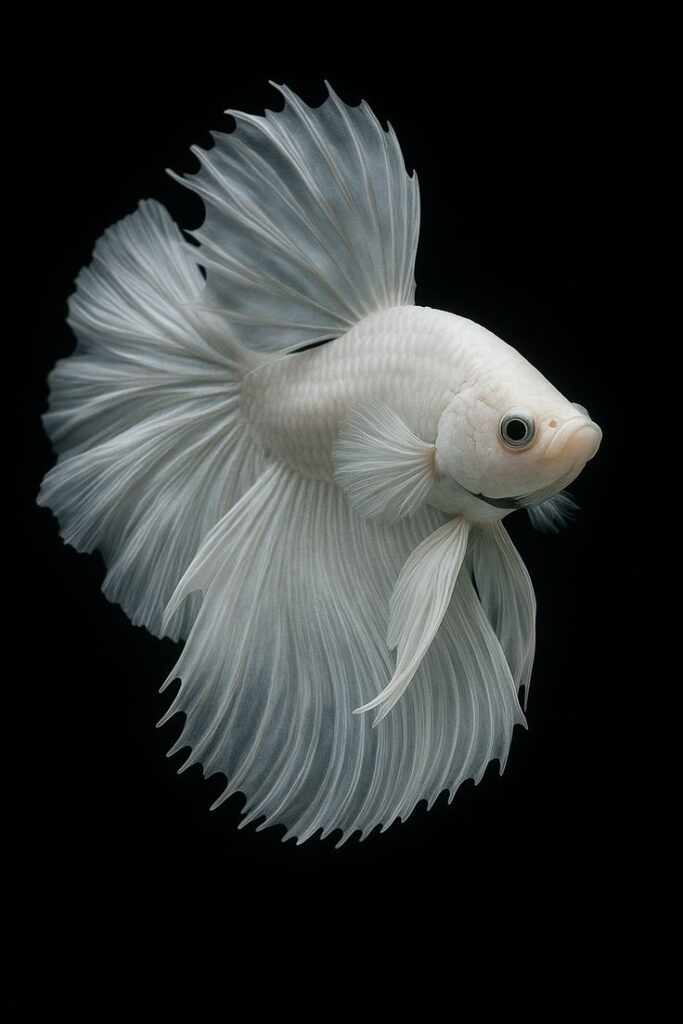
Betta fish, on the other hand, are famous for their striking fins and bold personalities. Unlike guppies, bettas are territorial and are often kept alone to avoid aggression. However, with proper planning, they can coexist with certain species in a well-maintained environment. Bettas prefer calm waters and warm temperatures, which are similar to the conditions that guppies thrive in, but extra care must be taken when housing them together.
Both guppies and bettas require clean water, a stable temperature between 24–28°C, and a well-maintained tank. Regular water changes and proper feeding are essential to keep them healthy and vibrant. Choosing high-quality food and avoiding overfeeding will also prevent common issues such as poor water quality and disease.
Guppies
Betta Fish
The Role of Aquatic Plants in Aquariums
Aquatic plants play a crucial role in maintaining a healthy aquarium ecosystem. They are not just decorative elements—they actively contribute to the well-being of fish. Plants absorb harmful toxins like ammonia and nitrates, improving water quality and reducing the need for frequent cleaning. They also release oxygen into the water, which is essential for fish survival.
In addition to their biological benefits, aquatic plants provide shelter and security for fish. Guppies especially fry (baby fish), use plants as hiding spots to protect themselves from predators. Bettas also enjoy resting on board leaves and exploring planted areas. Plants create a natural environment that reduces stress and encourages natural behavior in fish.
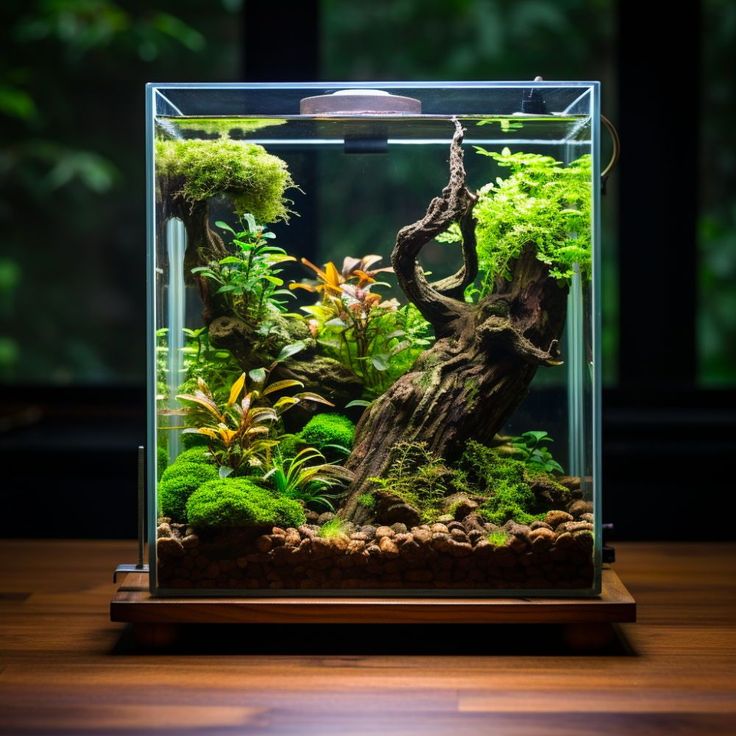
Some popular aquatic plants for beginners include Java moss, Anubias, and Amazon sword. These plants are easy to care for and can thrive in a variety of conditions. Adding a mix of floating, mid-ground, and background plants will enhance the visual appeal of your aquarium while maximizing its ecological benefits.
Creating the Ideal Aquarium Setup
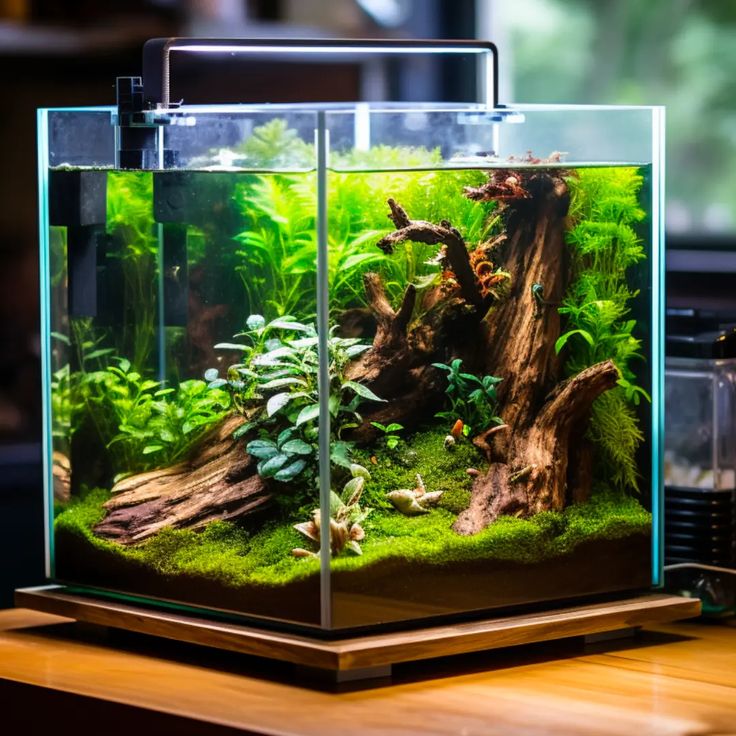
To create a successful aquarium with guppies, bettas, and aquatic plants, careful planning is required. Start with an appropriately sized tank—at least 40–60 liters is recommended for a mixed setup. A larger tank provides more space for fish to swim and helps maintain stable water conditions.
Lighting is another important factor. Aquatic plants require adequate light for photosynthesis, but excessive lighting can lead to algae growth. A balanced lighting schedule of 6–8 hours per day is usually sufficient. Using a good-quality LED aquarium light will help plants grow while enhancing the colors of your fish.
Filtration is essential to keep the water clean and free from harmful substances. A gentle filter id ideal, especially for bettas, as they prefer slow-moving water. Adding a heater will ensure a consistent temperature, which is crucial for both fish and plant health.
Substrate selection also matters when keeping live plants. Nutrient-rich substrates or the addition of root fertilizers can promote healthy plant growth. Regular maintenance, including trimming plants and removing dead leaves, will keep your aquarium looking neat and prevent water quality issues.
Maintaining Balance and Long-Term Success
The key to a thriving aquarium is maintaining balance. Overcrowding, overfeeding, and neglecting maintenance can quickly disrupt the ecosystem. It’s important to monitor water parameters regularly, including pH, ammonia, nitrite, and nitrate levels. Keeping these within safe ranges will ensure the health of both fish and plants. Introducing fish gradually allows the aquarium to adjust and prevents sudden changes in water chemistry. Quarantining new fish before adding them to the main tank can also help prevent the spread of diseases. Observing your fish daily will help you identify any signs of stress or illness early.
Aquatic plants should also be monitored for growth and health. Yellowing leaves or slow growth may indicate a lack of nutrients or insufficient lighting. Adding liquid fertilizers or adjusting lighting conditions can help address these issues.
A well-designed aquarium that combines guppy fish, betta fish, and aquatic plants can be both a relaxing hobby and a stunning centrepiece. By understanding the needs of each component and maintaining a balanced environment, you can create a thriving underwater ecosystem. With proper care, your aquarium will not only enhance the beauty of your space but also provide a healthy and comfortable home for your fish. Whether you are just starting or looking to improve your setup, investing time and effort into your aquarium will always be rewarding.

Green View , Thanampoyil Chevayur (po), Kozhikode, Keral-673017