
How to Choose the Right Aquarium Plants for Your Fish Tank
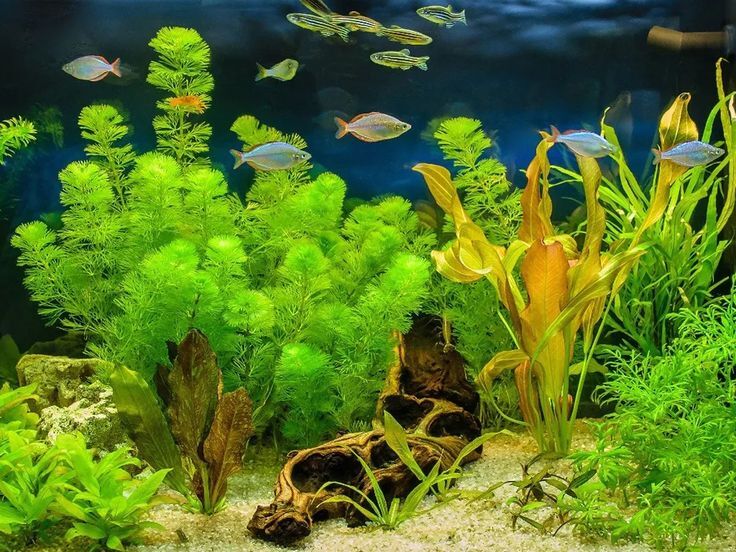
Creating a beautiful and healthy aquarium goes far beyond just adding fish and water. One of the most important elements in building a thriving aquatic environment is selecting the right plants. Aquarium plants not only enhance the visual appeal of your tank but also play a crucial role in maintaining water quality, providing oxygen, and creating a natural habitat for fish. Whether you are keeping guppies, betta fish, or other ornamental species, choosing suitable plants can significantly improve their health and overall well-being. For beginners and experienced hobbyists alike, understanding how to pick the right aquatic plants is key to building a balanced and sustainable aquarium ecosystem.
The first thing to consider when choosing aquarium plants is the type of tank you want to create. Some hobbyists prefer a heavily planted aquascape that mimics natural underwater landscapes, while others may opt for a simple setup with just a few plants for decoration and functionality. Your choice should depend on factors such as tank size, fish species, maintenance level, and lighting conditions. For example, guppies thrive in planted tanks where they can find hiding spots, while betta fish prefer calm environments with soft, leafy plants where they can rest. It is also important to consider whether you want low-maintenance plants or are willing to invest time in caring for more demanding species. By clearly defining your aquarium goals, you can narrow down your plant choices and create a more harmonious setup.
Understanding Plants Types and Their Requirements
Aquarium plants come in a wide variety of types, and each has its own specific care requirements. Broadly, they can be categorized into foreground, midground, and background plants, depending on their placement in the tank. Foreground plants are usually small and spread across the bottom, creating a carpet-like effect. Midground plants are slightly taller and help fill the middle space, while background plants grow taller and add depth to the aquarium. Choosing the right combination of these plants can create a visually appealing and well-structured layout.
Another important factor to consider is the plant’s care requirements, such as lighting, nutrient needs, and growth rate. Some plants, like Anubias and Java Fern, are beginner-friendly and can thrive in low-light conditions with minimal care. These are ideal for hobbyists who want a low-maintenance tank. On the other hand, plants like carpeting species or red plants often require high lighting, CO₂ supplementation, and regular fertilization. If your tank setup does not support these conditions, such plants may struggle to survive.
Water parameters also play a crucial role in plant selection. Different plants thrive in different pH levels, temperatures, and hardness levels. Since fish like guppies and bettas also have specific water requirements, it is important to choose plants that can coexist comfortably in the same environment. By matching plant needs with your tank conditions, you ensure better growth and reduce the chances of plant decay, which can negatively impact water quality.
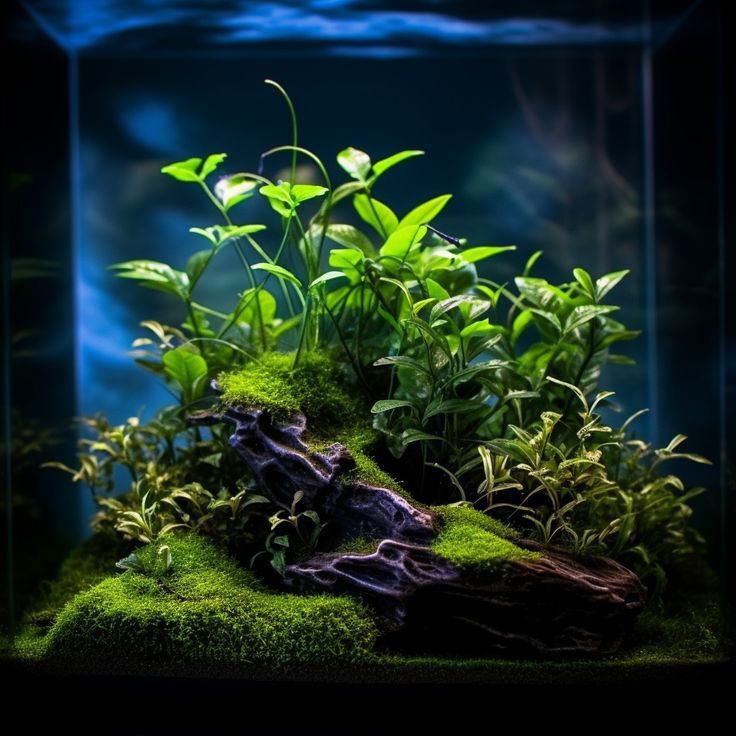
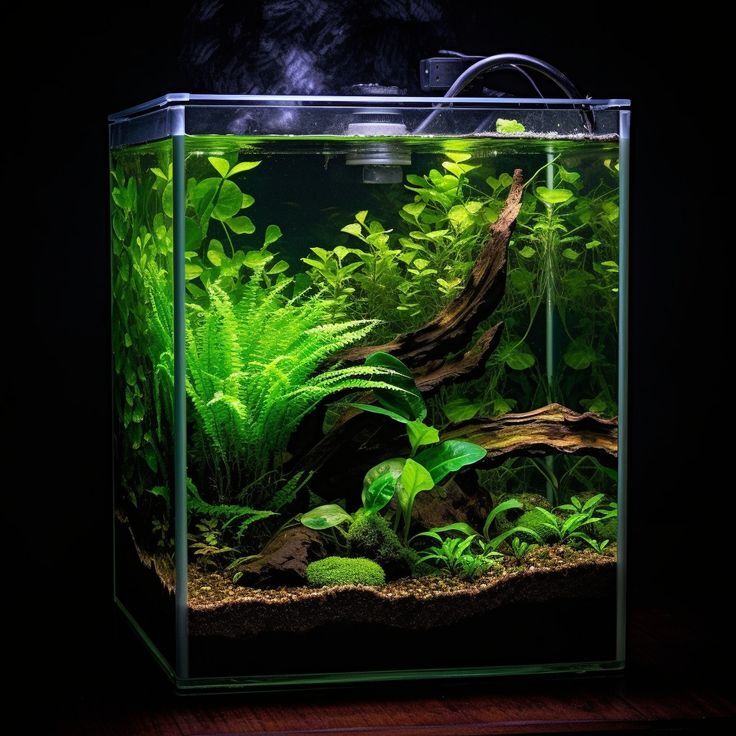
Balancing Aesthetic with Functionality
While the visual appeal of aquarium plants is important, their functional benefits should not be overlooked. Plants act as natural filters by absorbing harmful substances like ammonia and nitrates, which helps maintain a cleaner and healthier tank. They also release oxygen during photosynthesis, supporting fish respiration and overall ecosystem balance. Additionally, plants provide shelter and breeding spaces for fish, reducing stress and encouraging natural behavior.
When selecting plants, it is essential to strike a balance between beauty and practicality. For instance, fast-growing plants are excellent for controlling algae because they absorb excess nutrients quickly. Floating plants can provide shade, which is especially beneficial for betta fish that prefer dim lighting. Meanwhile, rooted plants can stabilize the substrate and prevent debris buildup. By combining different types of plants, you can create a tank that is both visually stunning and biologically efficient.
It is also important to consider the compatibility of plants with your fish species. Some fish may nibble on delicate plants, while others may uproot them. Choosing hardy plants with strong roots or thicker leaves can help prevent damage. Additionally, spacing plants properly ensures that they have enough room to grow without overcrowding the tank, which can lead to poor circulation and unhealthy conditions.
In conclusion, choosing the right aquarium plants involves a careful balance of aesthetics, functionality, and compatibility with your tank environment. By understanding your aquarium goals, selecting suitable plant types, and considering their care requirements, you can create a thriving underwater ecosystem that benefits both your fish and your overall aquarium experience. A well-planted tank not only enhances the beauty of your setup but also contributes to a healthier and move natural habitat, making your aquarium a true centerpiece of your space.

Green View , Thanampoyil Chevayur (po), Kozhikode, Keral-673017
