
Common Mistake to Avoid in Guppy Fish Breeding
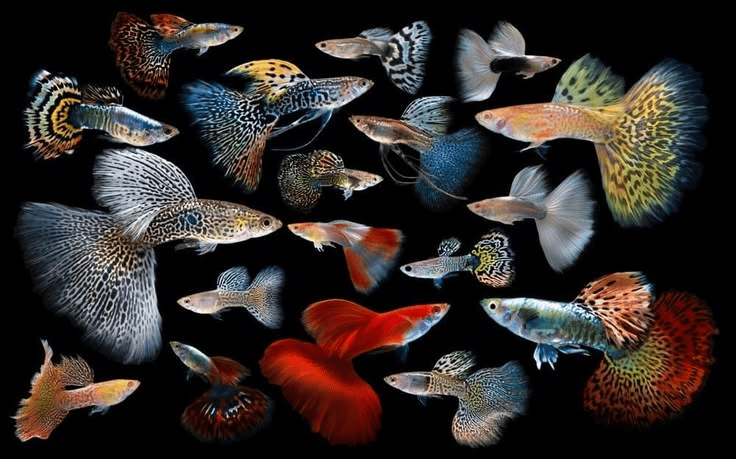
Breeding guppy fish is one of the most rewarding experiences for aquarium hobbyists, especially for beginners. Guppies are widely loved for their vibrant colors, graceful fins, and active nature, making them a perfect addition to any home aquarium. One of the main reasons they are so popular is their ease of breeding, as they are livebearers that reproduce without complex conditions. However, many beginners assume that because guppies breed easily, they do not require careful management.
This misconception often leads to a number of avoidable mistakes that can negatively impact both the parent fish and the fry. Poor planning, lack of knowledge, and improper tank maintenance can result in low survival rates, unhealthy fish, and overcrowded tanks. By understanding these common mistakes and learning how to prevent them, breeders can ensure a more successful and enjoyable experience while maintaining a healthy and thriving aquarium environment.
One of the most common mistakes beginners make is failing to prepare a proper breeding environment. Many hobbyists attempt to breed guppies in a general community tank without considering the importance of stable water conditions. Guppies require clean, well-oxygenated water with consistent temperature levels, ideally between 24–28°C. Sudden fluctuations in temperature or pH can stress the fish, reducing their breeding efficiency and weakening their immune systems. In addition, poor filtration and irregular water changes can lead to the buildup of harmful toxins such as ammonia and nitrates, which can be deadly for both adult fish and fry. Overcrowding is another frequent issue, as too many fish in a small tank can create stress and increase competition for food and oxygen. A well-maintained tank with adequate space, gentle filtration, and regular water changes is essential for successful breeding. Adding live plants not only improves water quality but also creates a more natural and comfortable environment for guppies to breed.
Poor Fry Management and Lack of Separation
One of the biggest mistakes in guppy breeding is not properly managing the fry after they are born. Guppies may be peaceful fish, but they have a natural instinct to eat their own young. Many beginners are unaware of this behavior and leave the fry in the same tank as adult fish without any protection. As a result, a significant number of fry are eaten within hours of birth, leading to disappointment and reduced breeding success. To avoid this, it is important to provide safe hiding spaces for the fry. Dense aquatic plants such as Java Moss, floating plants, or artificial breeding grass can give fry a place to escape and survive.
Another effective method is to use a breeding box or a separate breeding tank. Pregnant females can be moved into a controlled space just before giving birth, which increases the chances of fry survival. However, it is important not to keep the female isolated for too long, as this can cause stress and affect her health. Once the fry are born, the mother should be returned to the main tank to prevent her from eating the young.
Feeding practices also play a crucial role in fry development. Many beginners either underfeed or provide food that is too large for the fry to consume. Newly born guppies require small, protein-rich food such as crushed flakes, infusoria, or baby brine shrimp. Feeding them small amounts multiple times a day helps ensure proper growth and development. At the small time, overfeeding should be avoided, as uneaten food can quickly pollute the water and harm the delicate fry. Maintaining a balance between proper feeding and clean water is key to raising healthy juvenile fish.
Ignoring Genetics and Overbreeding
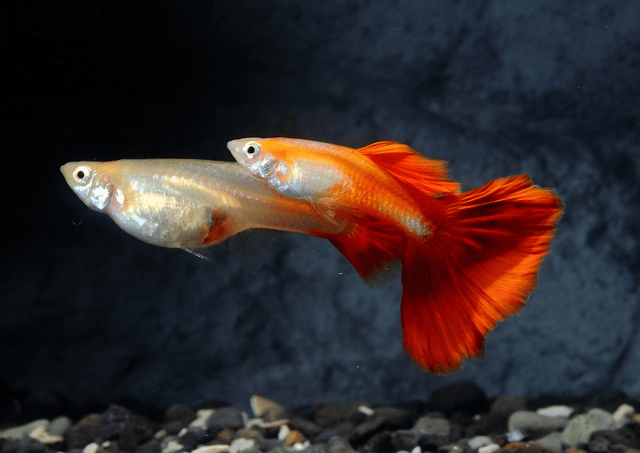
Another common but often overlooked mistake is ignoring the importance of genetics in guppy breeding. Many hobbyists breed guppies repeatedly without considering the quality of the parent fish, which can lead to weak offspring with dull colors and poor fin development. Inbreeding, where closely related fish are bred together over multiple generations, can reduce genetic diversity and increase the risk of deformities and health problems. To maintain strong and vibrant guppy strains, it is important to introduce new bloodlines periodically by acquiring fish from different sources.
Selecting the right breeding pairs is equally important. Healthy, active fish with bright coloration and well-formed fins should be chosen for breeding. Avoid using fish that show signs of illness. deformities, or sluggish behavior, as these traits can be passed on to the offspring. Careful selection not only improves the quality of future generations but also enhances the overall appearance of your aquarium.
Overbreeding is another issue that can quickly become a problem if not managed properly. Guppies reproduce rapidly, and without proper planning, their population can grow beyond control in a short period of time. This can lead to overcrowding, increased waste production, and difficulty in maintaining water quality. Many beginners underestimate how quickly guppies multiply and are unprepared to handle the growing number of fish. To avoid this, it is important to have a plan in piece, such as setting up additional tanks, separating males and females, or finding ways to rehome or sell excess fish.
In addition, constant breeding without giving the female enough time to recover can weaken her health. Female guppies need proper nutrition and rest between pregnancies to maintain their strength and produce healthy fry. Providing a balanced diet rich in protein and nutrients helps support their reproductive health and overall well-being.
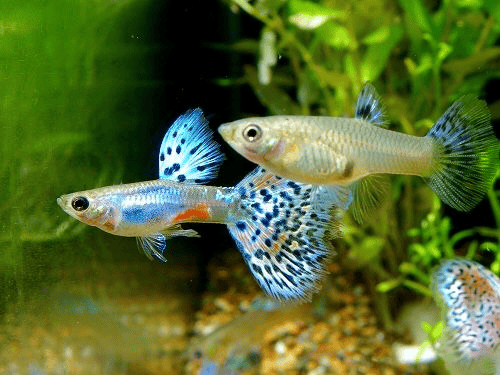
In conclusion, guppy fish breeding may seem simple, but avoiding common mistakes is essential for achieving consistent success. Proper tank preperation, effectively fry management, and careful attention to genetics all contribute to a healthier and more productive breeding setup. By maintaining clean water, providing safe environments for fry, and managing fish populations responsibly, hobbyists can enjoy the full benefits of guppy breeding. With patience, proper planning, and a willingness to learn, anyone can create a thriving guppy breeding system that produces strong, colorful, and healthy fish for years to come.
In conclusion, guppy fish breeding may seem simple, but avoiding common mistakes is essential for achieving consistent success. Proper tank preparation, effective fry management, and careful attention to genetics all contribute to a healthier and more productive breeding setup. By maintaining clean water, providing safe environments for fry, and managing fish populations responsibly, hobbyists can enjoy the full benefits of guppy breeding. With patience, proper planning, and a willingness to learn, anyone can create a thriving guppy breeding system that produces strong, colorful, and healthy fish for years to come.


Green View , Thanampoyil Chevayur (po), Kozhikode, Keral-673017
