
Betta Fish Culturing: A Complete Beginner’s Guide
Betta fish, widely known as Siamese fighting fish, are among the most captivating ornamental fish species in the aquarium world. Their vibrant colors, elegant fins, and relatively simple care requirements make them a favorite choice for beginners and experienced aquarists alike. Beyond their beauty, betta fish culturing has become a popular small scale practice, especially in warm regions where maintaining suitable water conditions is easier. With the right knowledge of breeding, tank management, and proper care, anyone can successfully raise healthy and attractive betta fish for personal enjoyment or business purposes. Understanding betta fish behavior is essential when starting. These fish are naturally territorial, particularly males, which means they should be housed separately to prevent aggression and injury in confined aquarium environments. Proper observation and routine care help ensure long term success.
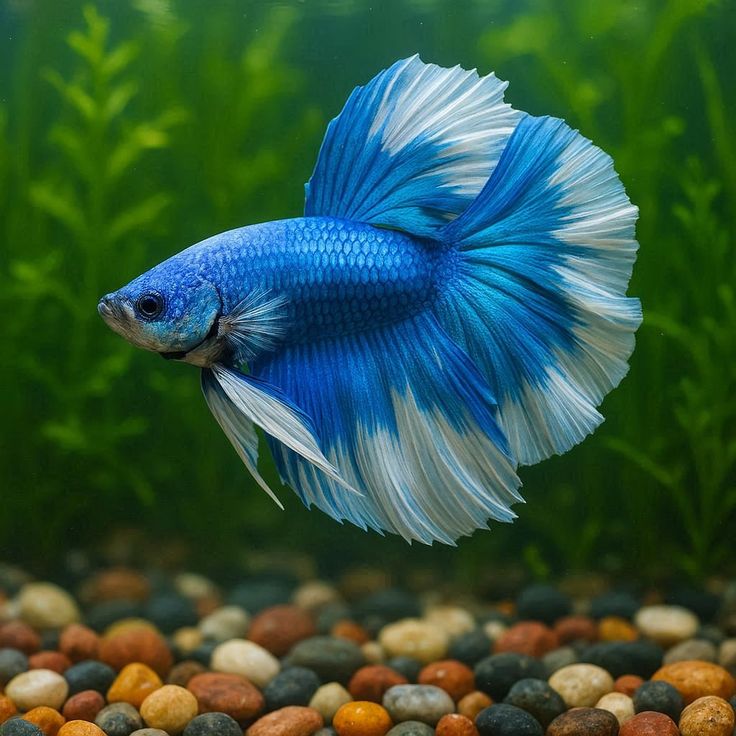
Essential Betta Fish Tank Setup for Culturing
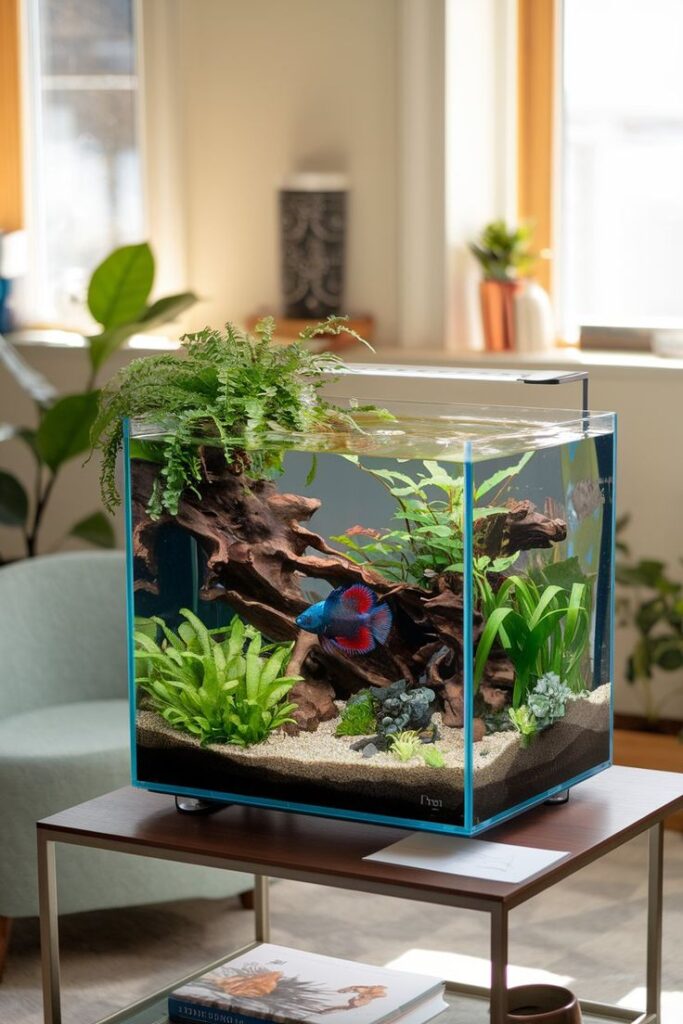
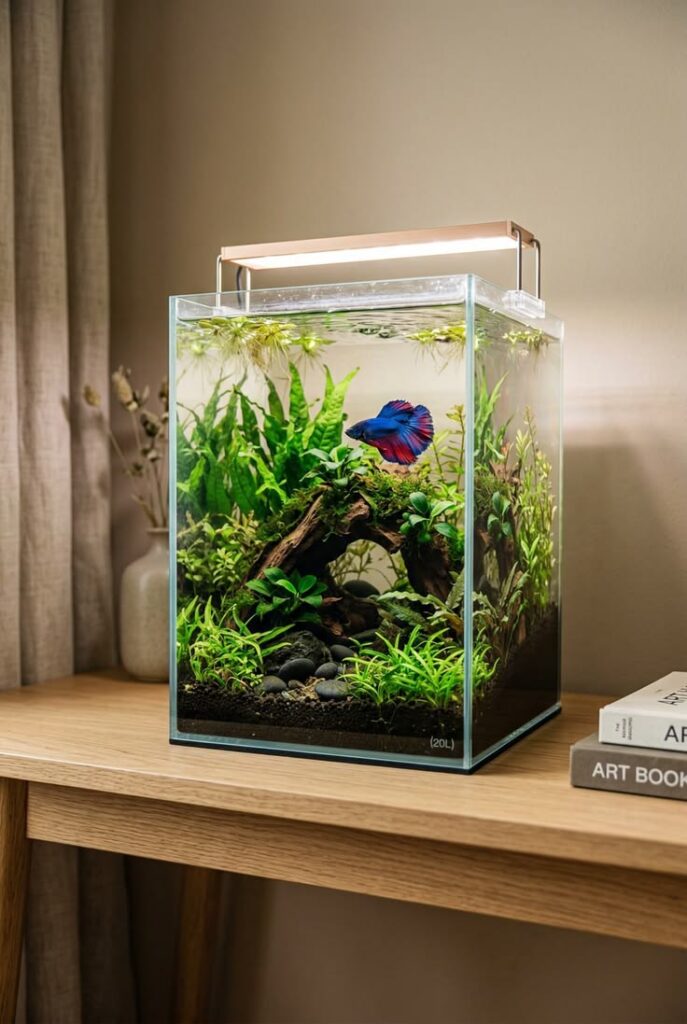
Creating the right tank setup plays a major role in betta fish culturing success. A tank size of at least 10 to 20 liters is recommended to provide enough swimming space and reduce stress. Water should always be dechlorinated and maintained at a temperature between 24 to 28 degrees Celsius, with a pH level ranging from 6.5 to 7.5 for ideal health. Gentle filtration systems, such as sponge filters, are preferred because they help maintain water quality without creating strong currents that could damage delicate fins. Moderate lighting supports plant growth while preventing excessive algae buildup and maintaining a calm environment for the fish. Regular water changes and monitoring parameters ensure stability and long term success in culturing systems. Consistency in maintenance routines plays a key role in preventing common health issues. Clean equipment and proper hygiene also reduce risks of infections in the aquarium environment.
Aquatic Plant Integration in Betta Fish Culturing
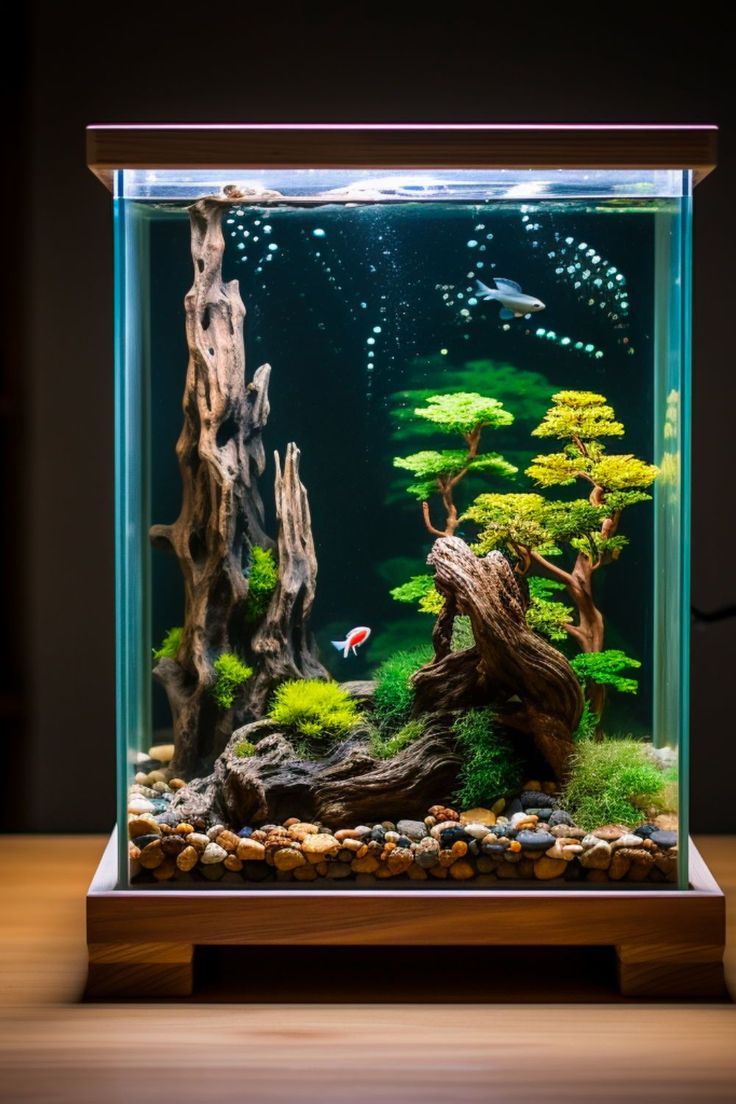
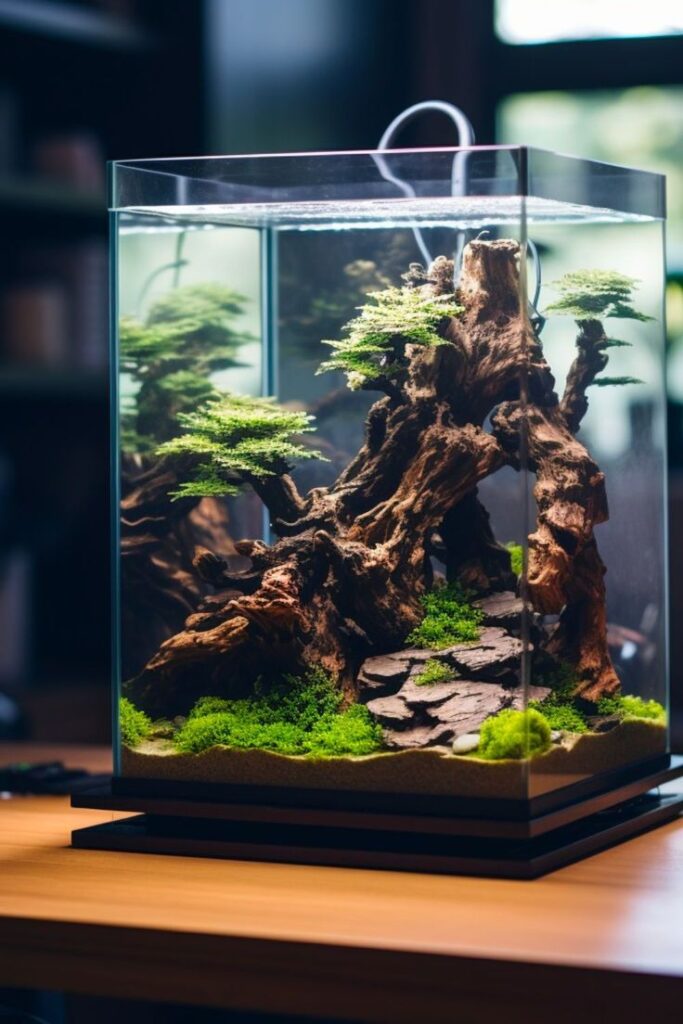
Aquatic plants play an important role in maintaining a balanced and natural aquarium environment. They provide hiding spaces, reduce stress, and improve water quality by absorbing excess nutrients from waste. Floating plants are especially useful for betta fish breeding, as they support bubble nest building by male fish. Rooted plants help improve oxygen levels and create a more stable ecosystem inside the tank. Adding natural elements such as driftwood enhances the visual appeal and can release mild tannins that replicate the natural habitat of bettas. Proper plant maintenance, including trimming and removing decaying leaves, ensures healthy growth and prevents water quality issues over time. A well planted tank also supports beneficial bacteria growth and improves biological filtration naturally.
Betta Fish Breeding Techniques and Culturing Tips
Breeding betta fish is a rewarding process when done with care and patience. Selecting healthy breeding pairs is the first step, with males showing brighter colors and females appearing slightly rounder with visible egg spots. A separate breeding tank with shallow water encourages spawning behavior and increases success rates. The male builds a bubble nest, usually near floating plants, and performs courtship displays to attract the female. During spawning, the male wraps around the female to fertilize the eggs and carefully places them into the nest. After spawning, the female should be removed to prevent aggression, while the male guards the eggs until they hatch. Eggs typically hatch within 24 to 48 hours, and fry become free swimming after a few days. At this stage, the male should be removed. Feeding begins with infusoria and later progresses to baby brine shrimp or microworms. Clean water, proper feeding, and consistent care ensure high survival rates and successful betta fish culturing results over time with dedication and proper routine management practices followed carefully with great consistency and patience.
Betta Fish Breeding Process
Breeding betta fish is one of the most rewarding aspects of betta culturing. Successful breeding begins with selecting healthy, mature breeding pairs that display strong coloration, active behavior, and no signs of disease. Male and female bettas should be conditioned separately for one to two weeks using a high-protein diet before introducing them for breeding.
A dedicated breeding tank of around 20 liters is usually sufficient. The water level should be relatively shallow, around 10 to 15 centimeters, to make it easier for the male to collect eggs and place them into the bubble nest. Floating plants and breeding leaves can be added to encourage nest construction. The male will typically build a bubble nest at the water surface before courtship begins.
Once the female is introduced, courtship behaviors such as flaring, displaying fins, and gentle chasing may occur. When both fish are ready, the male wraps around the female in a characteristic breeding embrace. Eggs released by the female are collected by the male and carefully placed into the bubble nest. After spawning is complete, the female should be removed to prevent aggression from the male. The male continues guarding the eggs and maintaining the nest until hatching occurs.


Green View , Thanampoyil Chevayur (po), Kozhikode, Keral-673017
https://greenviewfishfarm.in/best-feeding-practices-for-guppy-and-betta-fish-growth/